

With SEDRIX, seismic events associated with blasting operations can be specifically filtered out of a continuous data stream in order to be analyzed. This means that the effects of individual blasting operations can be documented in detail. The implications for buildings and residents can also be carefully monitored and reduced. SEDRIX helps you identify relevant events within a large amount of measurement data. You can clearly analyze and present these in a well-organized table that is understandable to all involved parties – this really saves time when evaluating blasting events.
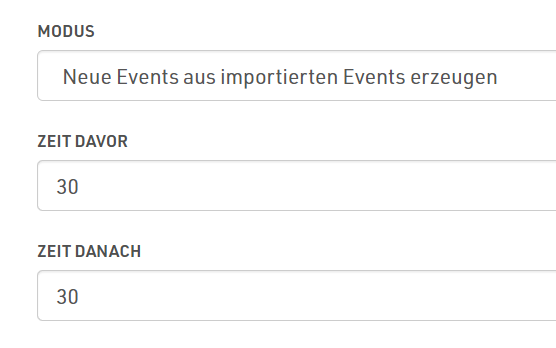
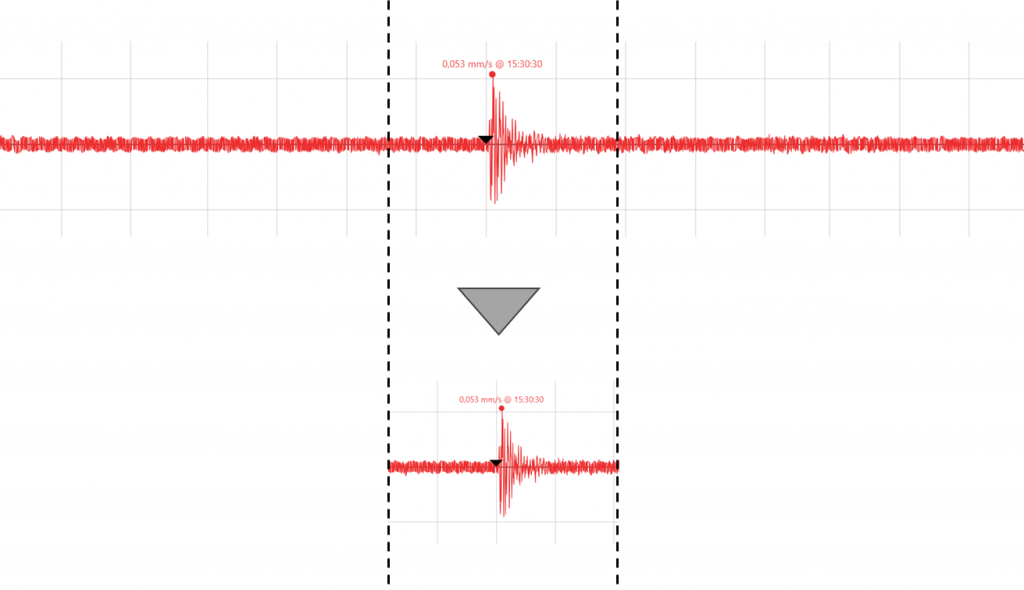
This version also allows you to select an option when documenting a blasting operation. This option automatically generates a synthetic blast event from the existing stream of events. Use the parameters to set how long this event should last – before and after the actual blasting time. This means that all relevant seismic data associated with the blasting operation is neatly collected and immediately available to be evaluated and documented.
Version 5.4.3
11.01.2024
New features
- When creating a blasting entry, it is now possible to create a vibration event that corresponds to the blast. This is created from existing events.
- Deleting “blasting events”
- The event table and vibration statistics can now be filtered according to the type of event. These options are available:
All, “Common trigger” events (Menhir only) and created events (blasting, see above)
Changed functions
- Changes since export with the “Since last export” mode:
The end date of an export is no longer set as the time at which the export was carried out, but the last exported time stamp. Moreover the status of an export is set as “Failed”, if no data is exported. - The legends Min, Max and Average are now also displayed in vibration statistics.
- If you wish to set a certain alert definition as the new standard value, you are no longer required to first deselect the old alert definition.
- When hiding events, all background channels are set to 0 – previously this was only the case for peaks and vector sums.
Fixed bugs
- When changing the time period of a measuring point assignment, the times in the log entry were false.

